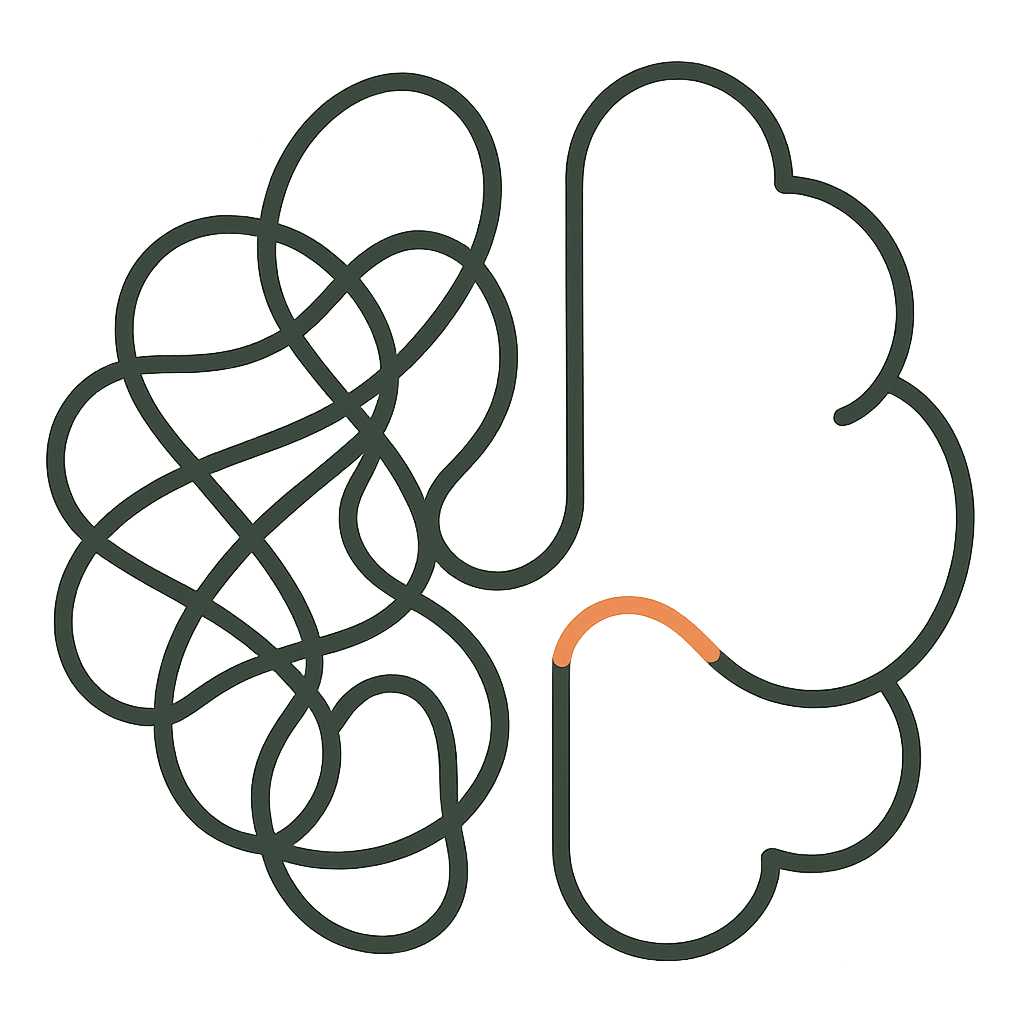
How ERP works
How Does Exposure and Response Prevention Work?
To understand Exposure and Response Prevention it helps to look first at the loop it is designed to interrupt. This is general educational information about how ERP is usually described.
The obsession and compulsion loop
An obsession is an unwanted thought, image, urge, or doubt that arrives on its own and feels distressing. A compulsion is what a person does, outwardly or mentally, to reduce that distress or to feel certain again.
Compulsions usually work in the short term. That short-term relief is the difficulty: it signals that the compulsion was necessary, so the next time the obsession appears, the pull toward the compulsion is stronger.
What exposure changes
Exposure interrupts the loop by staying with the trigger instead of removing it. Rather than arguing with the thought or seeking certainty, the practice is to let the discomfort be present.
Over repeated practice, many people describe the trigger becoming less commanding and the urge less automatic. The aim is not to feel nothing, but to be able to act differently while the feeling is there.
Why response prevention is the harder half
Compulsions are not always visible. Reassurance seeking, mental reviewing, checking, and avoidance can all serve the same function, which is why noticing them is part of the work.
Practising delay is often the first step: waiting before responding, then gradually extending that window rather than trying to stop everything at once.
Practising between sessions
ERP tends to depend on repetition, which mostly happens outside a therapy room. OCDly's Anchor tools offer something to do in a difficult moment that does not reinforce the compulsion, and the ERP Hub keeps each practice structured so it can be repeated.
If you are working with a therapist, their guidance takes precedence over anything described here.
This article is general educational information about OCD and is not individual medical advice. OCDly is designed to complement professional care and is not a substitute for diagnosis or treatment by a qualified mental health professional.